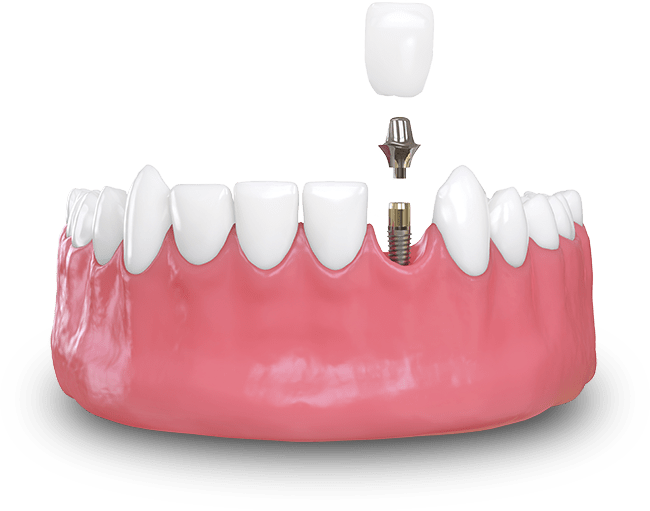
Dental implants have transformed restorative dentistry, providing a reliable, long-lasting solution for patients with missing or damaged teeth. These implants restore both dental function and aesthetics, significantly improving oral health and quality of life. A complete dental implant typically consists of three fundamental components: the implant screw (which integrates directly into the jawbone), the abutment, and the artificial tooth—commonly known as the crown. Understanding each component, particularly the abutment, is crucial to the success and durability of the implant procedure.
The Critical Link Between Implant and Crown
Simply put, an abutment on an implant is the connector piece that links the titanium implant with the artificial tooth crown. Once the implant has properly fused with your jawbone—a process known as osseointegration—your dental specialist will securely attach the abutment atop the implant. This metal or ceramic component protrudes minimally above the gum line and creates a stable platform for the crown.
The Role of the Abutment in Implant Functionality and Aesthetics
The abutment plays a vital role in the overall implant procedure. It ensures secure anchoring and alignment, stabilizing the final tooth restoration to enable full functionality such as chewing and biting. Adequate abutment selection and skilled placement are essential, as it directly affects the stability, comfort, and aesthetics of your final dental restoration. A precisely chosen and carefully positioned abutment significantly contributes to the longevity and success of your dental implant.
Types of Abutments: Custom, Stock, and Material Options
There are various types of implant abutments designed to meet different anatomical and cosmetic needs. Custom abutments are often created to provide a perfect fit and natural appearance, especially suitable for visible front teeth. Stock abutments come in prefabricated shapes and sizes and are utilized primarily when aesthetics is less critical. Abutments can be crafted from materials like titanium (for strength) or zirconia (for superior aesthetics in visible areas).
Factors Influencing Successful Dental Implant Integration
Several essential factors affect successful implant integration, including bone quality, surgical precision, proper abutment selection, and post-operative hygiene practices. High-quality bone structure supports implant stability, while accurate surgical technique ensures optimal integration. Selecting the correct abutments tailored to your anatomy and cosmetic requirements further bolsters the likelihood of implant success.
Are you ready to restore your smile with our skilled and trusted dental practice? Don’t wait to get the smile of your dreams with us. Get in contact with our doctor, Dr. Walker, and our exceptional team at ABC Dental Care to schedule an appointment today!