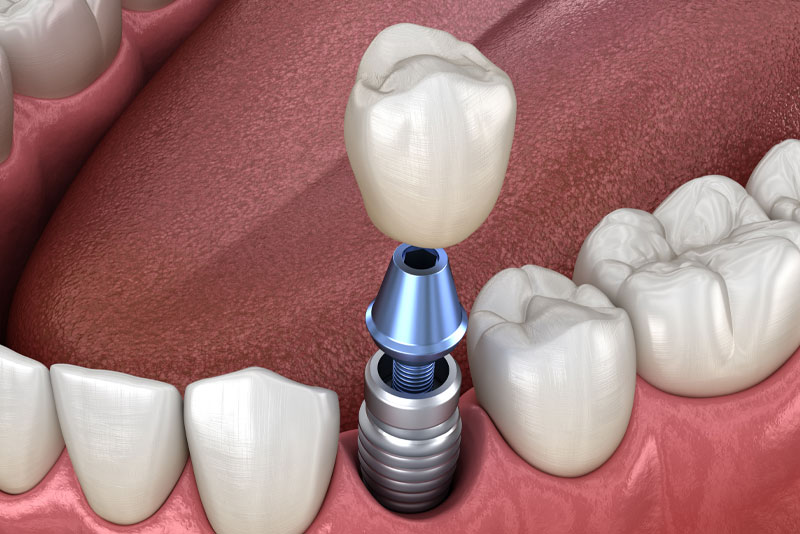
Dental implants have become an increasingly popular and reliable approach to replacing missing teeth. They offer numerous advantages such as enhanced function, improved aesthetics, and preservation of bone structure. Yet, like any surgical procedure, dental implants carry their own set of risks and potential complications. Understanding these risks, recognizing warning signs, and following preventive care guidelines are key to achieving successful, long-lasting results.
Understanding the Risks and Success Rates of Dental Implant Surgery
All dental surgical treatments involve inherent risks and potential benefits. Dental implants are no exception. While their success rate remains remarkably high, complications can occasionally arise due to various factors. Implants offer greater stability and better long-term oral health outcomes compared to alternatives like dentures or bridges. However, staying fully informed about potential dental implant risks can empower you to make confident, informed decisions.
Key Factors Contributing to Dental Implant Complications
Several factors contribute to dental implant complications. These potential issues typically revolve around the patient’s overall health, dental hygiene habits, and lifestyle choices. Implant placement technique is also critical. Conditions such as gum disease, diabetes, osteoporosis, and smoking habits significantly increase the chance of complications and implant failure. Additionally, inadequate oral hygiene following the procedure can lead to peri-implantitis, a condition characterized by inflammation and bone loss around dental implants.
Recognizing Early Warning Signs of Dental Implant Issues
Recognizing potential warning signs early remains vital. Timely identification and intervention can help successfully prevent minor issues from developing into significant complications. Watch closely for persistent pain around the implant site, bleeding, swelling, or deteriorating gum tissue. Difficulty chewing, mobility or looseness of the implant crown, or noticeable changes in bite alignment are also red flags that require immediate professional attention. If caught early, many implant problems are manageable through conservative treatments and careful oral hygiene management.
Proactive Prevention: Reducing Risks for Long-Term Implant Success
Preventive care strategies and diligent post-operative instructions play a significant role in reducing risks. Maintaining excellent oral hygiene (including flossing, brushing with fluoride toothpaste, and using antimicrobial mouth rinses) helps minimize infection and enhances long-term implant success. Routine follow-up appointments are critical to monitor healing, assess bone stability, and address any minor signs of complications quickly. Additionally, avoiding smoking or excessive alcohol consumption helps ensure optimal healing and a better prognosis overall.
Are you ready to restore your smile with our skilled and trusted dental practice? Don’t wait to get the smile of your dreams with us. Get in contact with our doctor, Dr. Walker, and our exceptional team at ABC Dental Care to schedule an appointment today!